
API and EDI Integration for Logistics: Connecting Your ERP to a Collaborative Platform
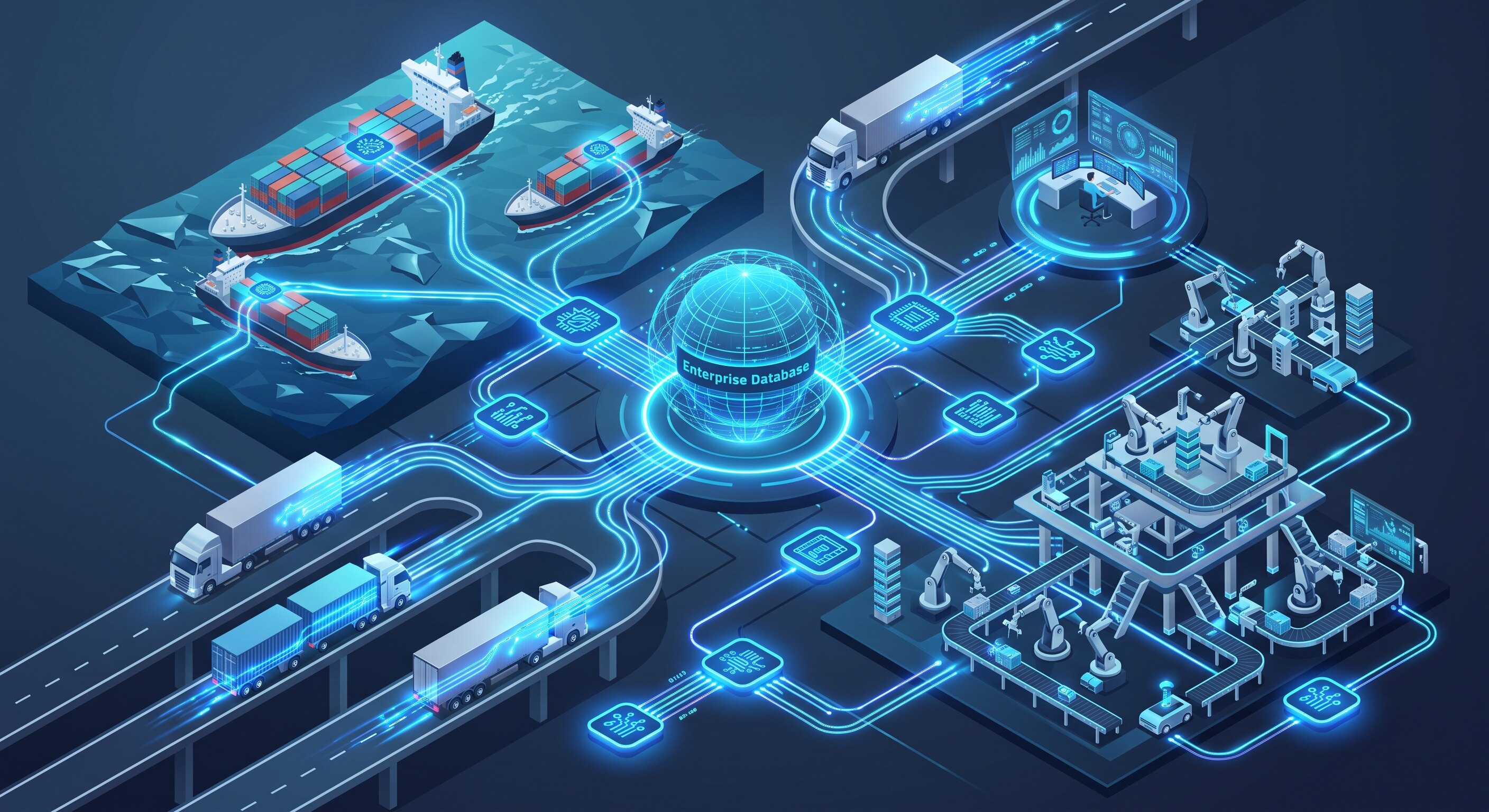
KEY TAKEAWAYS — READ IN 30 SECONDS
Introduction
API and EDI integration is the practical, technical step that determines whether a collaborative logistics platform actually connects to your existing systems or just becomes another tab your team has to check manually.
This guide is written for the IT and operations audience actually responsible for making that connection work — architecture, realistic timelines, and the failure points that catch most integration projects off guard.
The Core Architecture Decision: EDI, API, or Both
Most ERP-to-platform integrations end up using both technologies, mapped to different data flows rather than competing for the same job.
EDI handles high-volume, standardized document exchange — purchase orders, invoices, advance shipping notices — particularly with large retail trading partners who require specific EDI transaction sets such as 850, 856, 810, and similar ANSI X12 codes as a condition of doing business.
API handles real-time status updates, exception alerts, booking confirmations, and anything where the value depends on immediate delivery rather than batch processing.
Trying to force one technology to do the other’s job is where most integration friction comes from. Using EDI for real-time alerts means living with batch-cycle lag, and using API for high-volume standardized document exchange with dozens of trading partners means rebuilding a wheel EDI already solved decades ago.
Realistic Integration Timelines
| Integration Type | Typical Timeline | Primary Driver of Delay |
|---|---|---|
| API (single connection) | Days to weeks | Authentication setup, field mapping, testing |
| EDI (single new trading partner) | Weeks to months | Partner-specific data mapping, compliance testing, chargeback rules |
| Full ERP-to-platform integration (both) | 1-3 months typical | Data mapping across systems, not the connection itself |
The headline number to plan around: API integrations are fast, EDI integrations are not — and a platform that promises instant EDI onboarding for every trading partner is likely overstating what “instant” actually covers.
Where Integration Projects Actually Fail
The protocol is rarely the problem. The recurring failure point is data mapping — your ERP’s internal representation of a shipment, including custom fields, internal status codes, and unit conventions, rarely matches a platform’s schema exactly. The translation layer between the two is where projects lose weeks.
Teams that scope this mapping work explicitly at the start of a project consistently move faster than teams that treat it as a formality to handle “during testing.”
A second common failure point is choosing polling over webhooks for API integrations.
Polling — checking a system on a fixed interval for updates — reintroduces a version of the same lag problem that makes batch EDI slower than real-time visibility. Event-driven webhooks, where the platform pushes an update the moment it happens, are what actually deliver the real-time exception alerting that is the point of choosing API in the first place.
A Practical Phased Approach
Rather than attempting a full EDI-and-API integration across every data type simultaneously, the fastest path to value is typically:
Phase 1 — Core visibility via API. Connect booking confirmations and real-time status/location data first. This is the fastest to implement and delivers immediate operational value.
Phase 2 — Exception alerting via webhooks. Layer in event-driven alerts for the specific risk categories that matter most to your operation.
Phase 3 — High-volume document exchange via EDI. Bring in EDI connections for your largest-volume, most standardized trading partners, where the batch nature of EDI is genuinely the right fit.
This sequencing gets operational teams real-time visibility fast, while the more time-intensive EDI work happens in parallel rather than gating the entire project.
How This Connects to Platform Evaluation
The integration question is really a platform architecture question in disguise.
See Digital Logistics Platform: Frequently Asked Questions (2026 Glossary for Shippers & Carriers) for the underlying EDI vs. API definitions, and Logistics Platform vs. Point Solutions: Why a Single Collaborative Interface Wins for Global Supply Chains for why the shared-data architecture matters more than any single integration technology.
Talk to Someone Who Has Scoped This Before
Integration timelines are easier to estimate accurately once someone has looked at your actual ERP and trading-partner mix.
Request an integration scoping call and we will map out a realistic phased plan for your specific systems before you commit to a timeline internally.
Conclusion
API and EDI integration for logistics is not a technology choice — it is an architecture decision about which data flows need real-time delivery and which benefit from standardized batch exchange.
Most successful integrations use both, sequenced so that real-time visibility arrives fast while higher-effort EDI connections happen in parallel rather than blocking the whole project.
Scope the integration around the data flows, not the protocol.
Integration scoping
Map your ERP-to-platform integration before committing to a timeline
FreshTrack helps logistics teams identify which data flows need API, which trading partners need EDI, and where data mapping will drive the real project timeline.
FAQ — Frequently asked questions
Do I need both EDI and API to connect my ERP to a logistics platform?
In most cases, yes. EDI typically handles high-volume standardized document exchange with established trading partners, while API handles real-time status and exception data — they serve different data flows rather than competing for the same job.
How long does an API integration with a logistics platform typically take?
Typically days to weeks for a single connection, assuming standard authentication and reasonably clean field mapping between your ERP and the platform's schema.
Why do EDI integrations take longer than API integrations?
EDI integrations require partner-specific data mapping and compliance testing for each new trading partner, since EDI transaction sets and requirements vary by partner even within the same standard.
What is the most common cause of integration project delays?
Data mapping — translating your ERP's internal field structure and status codes to the platform's schema — rather than the underlying protocol or connection method itself.
Should I integrate everything at once or in phases?
A phased approach is generally faster to value: start with core status and booking data via API, add event-driven exception alerts next, then layer in EDI connections for your highest-volume trading partners.
References
- Cleo, EDI vs. API and the Critical Role Each Plays in Ecosystem Onboarding — https://www.cleo.com/blog/edi-vs-api
- SEEBURGER, EDI vs. API: Compare B2B Integration Options — https://www.seeburger.com/resources/good-to-know/edi-vs-api
- RXO, API vs. EDI in Freight Management: What’s the Difference? — https://rxo.com/resources/shipper/why-connect-via-api/
Related reading: Digital Logistics Platform: Frequently Asked Questions (2026 Glossary) · Logistics Platform vs. Point Solutions